Live Dental Webinars
(Showing Next 5 Upcoming)
|
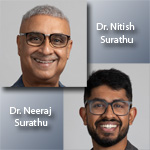
 Digital Implant Surgery: How 3D Printing changes the Guided Surgery Workflow Digital Implant Surgery: How 3D Printing changes the Guided Surgery Workflow
Presenter: Dr. Nitish Surathu and Dr. Neeraj Surathu
Sponsor: Rapid Shape
| Tue |
10/27/26 |
7:00 PM ET
4:00 PM PT
|
| Tue |
10/27/26 |
11:00 PM UTC
|
|
CE Credits: 1 Interactive CEU
|
|
This CE webinar explores how 3D printing is transforming the digital workflow for guided implant surgery, from treatment planning through surgical guide fabrication and implant placement. Participants will learn how to integrate CBCT and intraoral scan data, evaluate implant planning software, and develop predictable treatment plans using digital technology. The webinar will also cover the design, 3D printing, and post-processing of surgical guides and restorations, with a focus on applying guided surgery protocols to improve implant accuracy, efficiency, and patient outcomes.

|
From Inspection to Resolution 2026: Real Cases of How Dental Practices Navigated OSHA Investigations
Presenter: Dr. Karson Carpenter
Sponsor: Compliance Training Partners
| Wed |
10/28/26 |
7:00 PM ET
4:00 PM PT
|
| Wed |
10/28/26 |
11:00 PM UTC
|
|
CE Credits: 1 Interactive CEU
|
|
In this one-hour CE webinar, Dr. Karson Carpenter, president of Compliance Training Partners, will review actual OSHA inspection cases that he and his technical team have been involved with in the last 12 months. The webinar will show actual citations and how the inspection progressed from notification of inspection to onsite visit, receipt of fine, and resolution.
|
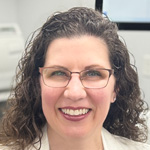
Digital Workflows for Predictable Adult Orthodontic-Restorative Treatment Implementing a Digital Ecosystem
Presenter: Dr. Melissa Shotell
Sponsor: ClearCorrect
| Thu |
10/29/26 |
7:00 PM ET
4:00 PM PT
|
| Thu |
10/29/26 |
11:00 PM UTC
|
|
CE Credits: 1 Interactive CEU
|
|
Adult patients are the largest growing population seeking orthodontic treatment. Many adult patients seek clear aligners as an esthetic alternative to traditional bracket and wire treatment. Yet many adult patients present with complex restorative treatment needs that can be complimented by orthodontic treatment for improved clinical outcomes with interdisciplinary treatment plans. Adult patients require a different patient experience and seek convenient and efficient treatment. The course will cover the basics of aligner design, materials, and mechanical advantages to understand the importance of product selection in complex adult treatment plans. The CE webinar will also explore the digital workflow and digital ecosystem for office efficiency and optimal patient experience. After the webinar, the attendee should be able to evaluate and select an aligner system for complex interdisciplinary cases, and evaluate how to implement a digital workflow for enhanced treatment planning and patient experience.

|
Smarter Smile Design: Align, Whiten, and Restore
Presenter: Dr. Nicholas Garcia
Sponsor: uLab Systems
| Mon |
11/2/26 |
7:00 PM ET
4:00 PM PT
|
| Tue |
11/3/26 |
0:00 AM UTC
|
|
CE Credits: 1 Interactive CEU
|
|
In this CE webinar, join Dr. Nicholas Garcia for a practical discussion on integrating clear aligners into everyday esthetic dentistry - particularly for patients considering whitening, veneers, or other cosmetic improvements. Using a scan-first approach, Dr. Garcia will demonstrate how he evaluates tooth position, spacing, and occlusion before developing a treatment plan. Attendees will learn how to determine when to align, when to restore, and when combining treatments may create a more conservative and predictable path to the desired esthetic outcome. The webinar will provide a straightforward framework for recognizing anterior esthetic aligner opportunities, sequencing complementary services, and confidently presenting comprehensive treatment options to patients.

|
Oral Cancer Screening: It’s More Than Grasping the Tongue
Presenter: Susan Cotten, BSDH, RDH, OMT
Sponsor: VOCO America
| Tue |
11/3/26 |
7:00 PM ET
4:00 PM PT
|
| Wed |
11/4/26 |
0:00 AM UTC
|
|
CE Credits: 1 Interactive CEU
|
|
Both dental hygienists and dentists play an important role in the early detection of oral cancer, yet there is a critical gap in screening protocols. After performing an oral cancer screening, patients often say, "No one has ever done that before." This CE webinar breaks down the components of a comprehensive visual and tactile, extraoral, and intraoral evaluation, and the signs and symptoms associated with oral and oropharyngeal cancer as an important component in screening. Using Susan’s instructional screening videos and case presentations, attendees will learn proper extraoral palpation, the importance of identifying lymphadenopathy, evaluation of the thyroid gland, and the oropharynx. ADA and ADHA oral cancer policies and coding will be reviewed.
A comprehensive oral cancer screening isn’t optional. Let’s close the gap together, elevate the standard of care in screening, calibrate dental professionals nationwide, and increase early detection. Attendees will leave inspired and with a renewed commitment to performing this life-saving evaluation – every patient, every visit.
Featured On-Demand CE Webinars
To provide patients with the best adhesive restorative dentistry, we are required to have absolute isolation and a firm understanding of bonding principles. Upon completion of this CE webinar, the student will be able to:
• Understand the importance of rubber dam isolation
• Be familiar with the basics of isolation
• Understand the fundamental principles of bonding
Discover the differences between automatic and manual interproximal reduction. In the last 20 years there has been a major development in the use of clear aligners and functional concepts applied to orthodontic treatments, both on children and adult patients. A key element is interproximal enamel reduction, a fundamental practice to recover the interproximal space in order to facilitate teeth movement in orthodontic treatments and to insure clean and accurate procedures in Class II patients especially dealing in the posterior sectors. The main technology contributing, not only to obtaining excellent results, but to raise the level of care and protection towards patients is automatic IPR, helping clinicians to maintain excellent control, avoid over-reductions, avoid severe damages and excessive pressure applied to the patient during treatment; all factors that manual or obsolete techniques may cause.
This CE webinar will delve into the benefits of choosing alignment therapy prior to restorative treatment. It will explain in detail the different types and the purpose of attachments in clear aligner therapy, as well as smile architect and successful clincheck treatment planning. The instructor will then give clinical tips for restorative treatment after alignment therapy has been completed.
Featured Podcast Episodes
 Series: Bisco
CE Credits: 0.5
Series: Bisco
CE Credits: 0.5
Guest: Dr. Sara Kuckhoff
|
Our guest today, Dr. Sara Kuckhoff, is a general dentist from Michigan who has been out of dental school for six years. She has fully embraced the mindset of continuous growth. She’ll share her journey, how she pursues her passions, and why that pursuit has helped her not only enjoy her profession but also feel more confident and fulfilled as both a person and a dentist. Whether you’re a new dentist just starting or a seasoned professional looking for fresh inspiration, this episode will remind you why setting goals, staying engaged, and keeping an open mind to learning can make all the difference in your career.
Series: Bisco
CE Credits: 0.5
Guest: Dr. Scott Coleman
|
In this episode, we’ll explore evidence-based strategies for pulp protection, discuss when and how to use liners, and break down adhesive dentistry protocols that can significantly reduce the risk of post-op sensitivity. Joining us is Dr. Scott Coleman, a general dentist who has practiced in Houston, Texas, for over 40 years. A graduate of the University of Texas Dental School, Dr. Coleman is a respected key opinion leader, sought-after speaker, and past president of the Academy of General Dentistry.
 Series: VOCO America
CE Credits: 0.5
Series: VOCO America
CE Credits: 0.5
Guest: Dr. Marc Geissberger
|
In this episode, we're talking with Dr. Marc Geissberger, a dentist who has practiced general and cosmetic dentistry for over 30 years. He was Chairman of the Department of Restorative Dentistry for 15 years at University of Pacific Dental School. We'll discuss how composite materials have evolved, what you should look for when evaluating a new composite restorative material, and how universal composites are changing the way many dentists approach direct restorations. We'll address a new universal composite that has attributes that can significantly help clinicians reduce shrinkage, improve diagnostic accuracy and provide the strength, handling and sustained polishability we're looking for in our direct restorative cases. Lots of clinical pearls in this one!





















 Symbiosis - Isolation and Bonding