











Live Dental Webinars
(Showing Next 5 Upcoming)
|
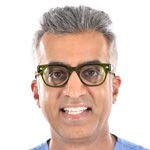
From Etiology to Esthetics: Diagnosing, Protecting, and Conservatively Restoring Class V Lesions
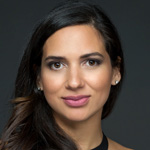
Presenter: Dr. Sheila Samaddar
Sponsor: Bisco
| Wed |
11/25/26 |
7:00 PM ET
4:00 PM PT
|
| Thu |
11/26/26 |
0:00 AM UTC
|
|
CE Credits: 1 Interactive CEU
|
|
Class V lesions are common, but successful treatment begins with understanding why the lesion developed, not simply restoring the visible defect. This clinically focused CE webinar explores the multifactorial etiology of cervical lesions, including tooth position, occlusal forces, parafunctional and chewing habits, erosion, abrasion, and the evolving understanding of the role of toothbrushing. Participants will learn a practical approach to deciding when to monitor, modify contributing factors, consider orthodontic alignment or protective appliances, and when to restore. When restorative treatment is indicated, we will review conservative adhesive techniques using restorative materials, when extensive wear or structural compromise requires indirect restoration. The guiding principle: Treat the lesion, not just the defect.
|
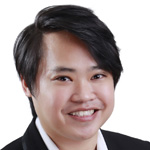
To Remove or Retain? Smart Excavation Protocols and Vital Pulp Management
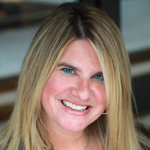
Presenter: Dr. Art Kevin de Leon
Sponsor: VOCO America
| Mon |
11/30/26 |
7:00 PM ET
4:00 PM PT
|
| Tue |
12/1/26 |
0:00 AM UTC
|
|
CE Credits: 1 Interactive CEU
|
|
Finding the sweet spot between complete caries removal and pulpal survival can feel like walking a tightrope. Remove too little, and you risk a weak bond interface or leaving a cytotoxic environment for the pulp; remove too much, and an accidental exposure sends the tooth down the root canal path. In this clinical CE webinar, we cut through the guesswork of deep caries management. You will learn step by step protocols for using caries detecting dyes to differentiate infected from affected dentin, ensuring maximum bond strength without compromising tooth vitality. Furthermore, we will address the unavoidable cases where deep pulp horns or extensive decay lead to pulp exposure. Moving past traditional calcium hydroxide techniques, we will explore how Mineral Trioxide Aggregate (MTA) revolutionized direct pulp capping and partial pulpotomies, turning potential root canal failures into predictable vital pulp successes.
|
From Plaque to Prosthetics: Guided Biofilm Therapy for Implant Success, Restorative Excellence, Patient Experience, and Practice Growth
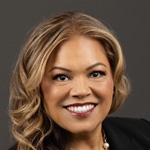
Presenter: Dr. Waji Khan
Sponsor: EMS Dental
| Tue |
12/1/26 |
7:00 PM ET
4:00 PM PT
|
| Wed |
12/2/26 |
0:00 AM UTC
|
|
CE Credits: 1 Interactive CEU
|
|
Biofilm management is at the foundation of predictable periodontal, implant, and restorative care. Yet effective biofilm removal involves far more than simply "cleaning teeth." This CE webinar and journey, explores how a systematic, minimally invasive approach to biofilm management can influence clinical outcomes across the entire continuum of care, from prevention and periodontal maintenance to implant therapy, complex restorative dentistry, and prosthetic rehabilitation. Participants will explore the principles of Guided Biofilm Therapy (GBT), including biofilm disclosure, patient motivation, airflow technology, instrumentation, and individualized maintenance protocols.
|
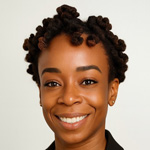
Fluoride: Friend or Foe?
Presenter: Linda Hecker, RDH
Sponsor: VOCO America
| Wed |
12/2/26 |
7:00 PM ET
4:00 PM PT
|
| Thu |
12/3/26 |
0:00 AM UTC
|
|
CE Credits: 1 Interactive CEU
|
|
This CE webinar is designed to present the benefits of fluoride in the prevention of carious lesions. A comparison of fluoride products and different types of fluoride will be discussed.
|
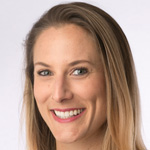
Introducing Bioactivity to Your Everyday Practice: Soar Above the Ordinary
Presenter: Dr. Brittany Bergeron
Sponsor: Pulpdent
| Thu |
12/3/26 |
7:00 PM ET
4:00 PM PT
|
| Fri |
12/4/26 |
0:00 AM UTC
|
|
CE Credits: 1 Interactive CEU
|
|
Bioactive materials have been advancing patient care for more than a decade, yet many clinicians remain unaware of the positive impact they can have on everyday patient outcomes. Bioactive dental materials are appropriate for use in a wide range of restorative scenarios. When used properly, they can contribute to high-quality, long-lasting restorations. This CE webinar invites clinicians to rethink their approach to caries management by combining patient-centered care with practice efficiency. Attendees will explore how incorporating bioactive materials into everyday restorative dentistry can support predictable clinical outcomes while creating a win-win for both patients and the practice.
Featured On-Demand CE Webinars
More and more, dental hygienists are expected to select the most accurate CDT procedure codes for the medically necessary treatment they provide to patients. Since the ADA’s Code Maintenance Committee meets yearly, those procedures and their descriptors can either be amended, deleted, or stay the same. The CE webinar will discuss the changes (or not) and additions/deletions which came on January 1, 2025. Some of the new and updated dental procedure codes will include revisions and additions to implant maintenance procedures, long requested by hygienists. In addition, more and more caries management products are being developed and how to know which code is the most appropriate. And what procedure code for desiccation therapy? A total of 10 new codes, 8 revised codes and 2 deleted codes will be presented.
As the demand for individualized and holistic oral care continues to grow, dental professionals must be prepared to address diverse patient preferences and questions surrounding fluoride. This engaging, evidence-based CE webinar explores the science behind remineralization and compares the efficacy of fluoride with emerging alternatives like calcium phosphate technologies, hydroxyapatite, and xylitol. Attendees will gain practical strategies to tailor care based on age, health status, caries risk, and patient concerns—while reinforcing the role of prevention in enamel health.
Cementation is the final, decisive step that determines whether an otherwise excellent indirect restoration succeeds or fails, yet it's often where protocols become inconsistent, rushed, or based on habit rather than the specific material in hand. With the range of restorative materials in use today (zirconia, lithium disilicate and other glass-ceramics), no single cement or surface-treatment protocol applies to every case. This CE webinar takes a substrate-driven approach: matching the cement category and preparation steps to the restorative material, the clinical situation, and the amount of retention available.
Through a step-by-step walkthrough of the cementation workflow, this CE webinar covers cement selection, intaglio surface treatment, the role of primers and silane coupling agents, isolation and contamination control, try-in and cleaning, seating, and finishing. The goal is to give clinicians a clear decision framework they can apply chairside to improve predictability, reduce post-operative sensitivity and debonding, and streamline what is often an unnecessarily complicated part of restorative dentistry.
Featured Podcast Episodes
Series: VOCO America
CE Credits: 0.5
Guest: Dr. Susan McMahon
|
In today’s episode, we’re sitting down with Dr. Susan McMahon to talk about a piece of technology that’s truly changed the way she practices dentistry—the 3D printer. From printing precise dental models to fabricating occlusal guards with ease, we’ll dive into how this powerful tool is streamlining everyday tasks and bringing new levels of efficiency and accuracy to the dental office.
Series: VOCO America
CE Credits: 0.5
Guest: Dr. Ryan Walsh
|
This episode addresses how MTA—mineral trioxide aggregate—can be used as both an indirect and direct pulp cap and is ideal for perforations. MTA isn’t just an endodontist's material—it’s very much a general dentist’s material as well. Especially now, as more of us focus on minimally invasive dentistry and are doing everything we can to preserve the natural tooth. Our guest is Dr. Ryan Walsh, who maintains a full time private practice in Keller, TX. He is a Diplomate of the American Board of Endodontics (ABE) and serves on the Scientific Advisory Board of the Journal of Endodontics. Dr. Walsh maintains an appointment as Adjunct Assistant Professor at Texas A&M College of Dentistry and is actively involved in clinical research pertaining to bioactive materials, resorption processes, and clinical outcomes. He has lectured nationally and internationally on several topics in his specialty and has published multiple peer-reviewed articles and abstracts.
Series: VOCO America
CE Credits: 0.5
Guest: Dr. Lauren Rainey and Dr. Mauricio Watanabe
|
According to our guest, Dr. Mauricio Watanabe, a world-respected speaker and clinician, by using a highly filled nano-composite to fabricate the crown, the same material we use for our deep margin elevation and filling in our undercuts, a semi-direct full coverage restoration will provide long-term predictable success. And Dr. Watanabe has years of cases and research to support his opinion. The whole procedure can be done in 30 minutes when pouring your impression with a fast setting silicone material. So if you're looking to practice conservative dentistry and preserve as much natural tooth structure as possible and still deliver a full coverage crown, you might find the semi-direct restoration an excellent option for many of your large caries cases. Dr. Lauren Rainey, a well-respected clinician and KOL will also be joining us.